

How Much Exercise Does a Corgi Really Need?
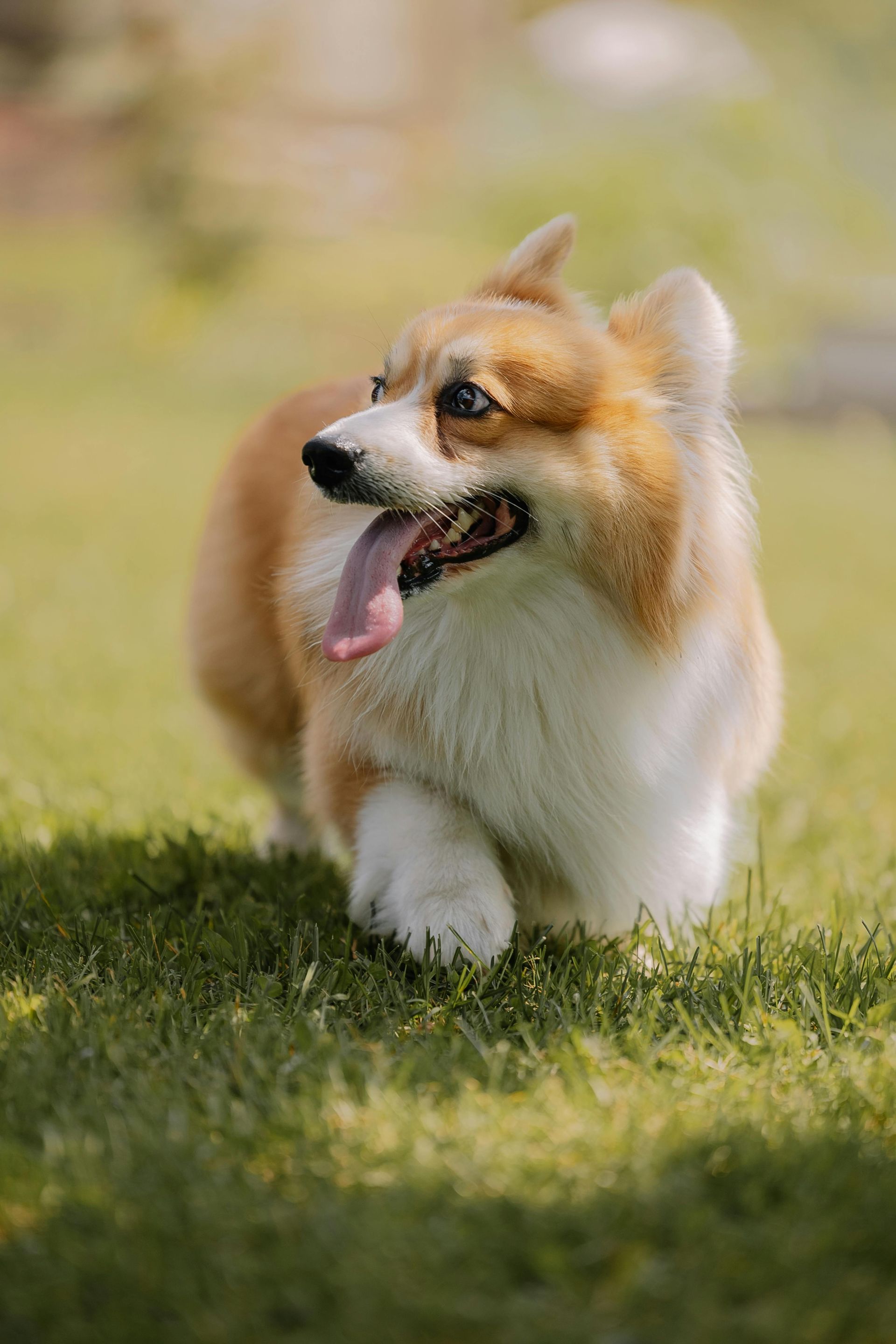
Pembroke Welsh Corgis may have short legs, but don't let their size fool you. Originally bred to herd cattle across the countryside, these intelligent and energetic dogs thrive on daily physical activity and mental stimulation. One of the most common questions prospective and new owners ask is, "How much exercise does a Corgi really need?"
The answer depends on your Corgi's age, health, and personality, but one thing is certain: regular exercise is essential for keeping your Corgi healthy, happy, and well-behaved.
Why Exercise Is So Important for Corgis
Corgis were developed to work long days on farms, herding livestock and staying alert. Even though today's Corgis are beloved family companions, they still retain their strong work ethic and high energy levels.
Without enough exercise, a Corgi may experience:
- Weight gain
- Excessive barking
- Destructive chewing
- Digging
- Anxiety or boredom
- Hyperactive behavior indoors
A well-exercised Corgi is generally calmer, easier to train, and more content at home.
Daily Exercise Recommendations
Puppies (8 Weeks – 12 Months)
Growing puppies need exercise, but it should be carefully managed to protect developing joints and bones.
Aim for:
- 20–40 minutes of activity each day
- Multiple short play sessions
- Gentle walks
- Socialization outings
- Basic obedience training
Avoid repetitive jumping, long-distance running, or strenuous hikes until your veterinarian confirms your puppy has finished growing.
Adult Corgis (1–7 Years)
Healthy adult Pembroke Welsh Corgis generally benefit from:
- 60–90 minutes of exercise daily
- One or two brisk walks
- Interactive play
- Fetch
- Hiking
- Herding or agility activities
- Puzzle toys and training sessions
Some highly active Corgis may happily enjoy even more exercise, while others are satisfied with moderate daily activity.
Senior Corgis
As Corgis age, they may slow down due to arthritis or other age-related conditions. Seniors still benefit from regular movement, just at a gentler pace.
Good options include:
- Short walks
- Swimming (if they enjoy it)
- Light play sessions
- Gentle stretching
- Mental enrichment games
Always monitor your senior dog's comfort level and consult your veterinarian if mobility changes occur.
Mental Exercise Is Just as Important
Physical activity alone isn't enough for this highly intelligent breed.
Corgis love having a job to do, and mental stimulation helps prevent boredom.
Try activities like:
- Food puzzles
- Snuffle mats
- Hide-and-seek
- Obedience training
- Trick training
- Nose work games
- Rotating toys regularly
Even 10–15 minutes of training each day can provide meaningful mental enrichment.
Signs Your Corgi Needs More Exercise
Every dog is different, but your Corgi may be asking for more activity if they begin:
- Barking excessively
- Zooming around the house
- Chewing furniture or shoes
- Digging holes in the yard
- Constantly demanding attention
- Stealing household items
- Becoming restless at bedtime
These behaviors are often signs of pent-up energy rather than bad manners.
Be Careful Not to Overdo It
Although Corgis are athletic, their long backs and short legs make them more susceptible to certain orthopedic issues, including intervertebral disc disease (IVDD).
To help protect your Corgi:
- Avoid repeated high jumps.
- Use ramps when possible for furniture or vehicles.
- Maintain a healthy weight.
- Exercise consistently instead of only on weekends.
- Take breaks during hot weather.
- Provide plenty of fresh water.
Moderate, regular exercise is healthier than occasional intense workouts.
Fun Exercise Ideas for Your Corgi
Keeping exercise interesting helps prevent boredom for both you and your dog.
Some favorite activities include:
- Neighborhood walks
- Nature trails
- Fetch in a fenced yard
- Agility classes
- Herding instinct events
- Obstacle courses
- Tug-of-war
- Dog-friendly parks
- Interactive flirt poles
- Beginner scent work
Changing up your routine keeps your Corgi mentally engaged while strengthening your bond.
Exercise and Weight Management
One of the biggest health concerns for Pembroke Welsh Corgis is obesity. Their sturdy build can make it easy to overlook extra pounds, but carrying excess weight places additional strain on their joints and spine.
Pair regular exercise with:
- High-quality nutrition
- Appropriate portion sizes
- Healthy treats in moderation
- Routine veterinary checkups
Maintaining a lean body condition helps your Corgi stay active for years to come.
Finding the Right Balance
No two Corgis are exactly alike. Some are content after an hour-long walk, while others eagerly seek more adventures throughout the day.
Pay attention to your dog's energy level, age, and overall health. A combination of physical exercise, mental stimulation, training, and quality family time creates the happiest companion.
Bringing Home a Healthy, Well-Socialized Corgi
At Rafter Cross 7 Corgis, we raise Pembroke Welsh Corgis with health, temperament, and early socialization in mind. Starting your puppy off with positive experiences and establishing a consistent exercise routine helps build confidence and encourages healthy lifelong habits.
Whether you're preparing for your first Corgi or adding another furry family member, understanding your dog's exercise needs is one of the best ways to ensure a long, happy life together.
If you're looking for a responsibly bred Pembroke Welsh Corgi, we'd love to answer your questions and help you find the perfect companion for your family.